Application of CNC Milling in Industry
Thanks to its versatility, CNC milling is used in many industries, including:
Automotive – for the production of engine parts and mechanical components.
Aerospace – for the precise manufacturing of aircraft structural elements.
Medical – in the production of implants, surgical tools, and medical prototypes.
Electronic – in the manufacturing of housing components or mounting elements.
How Does a CNC Milling Machine Work?
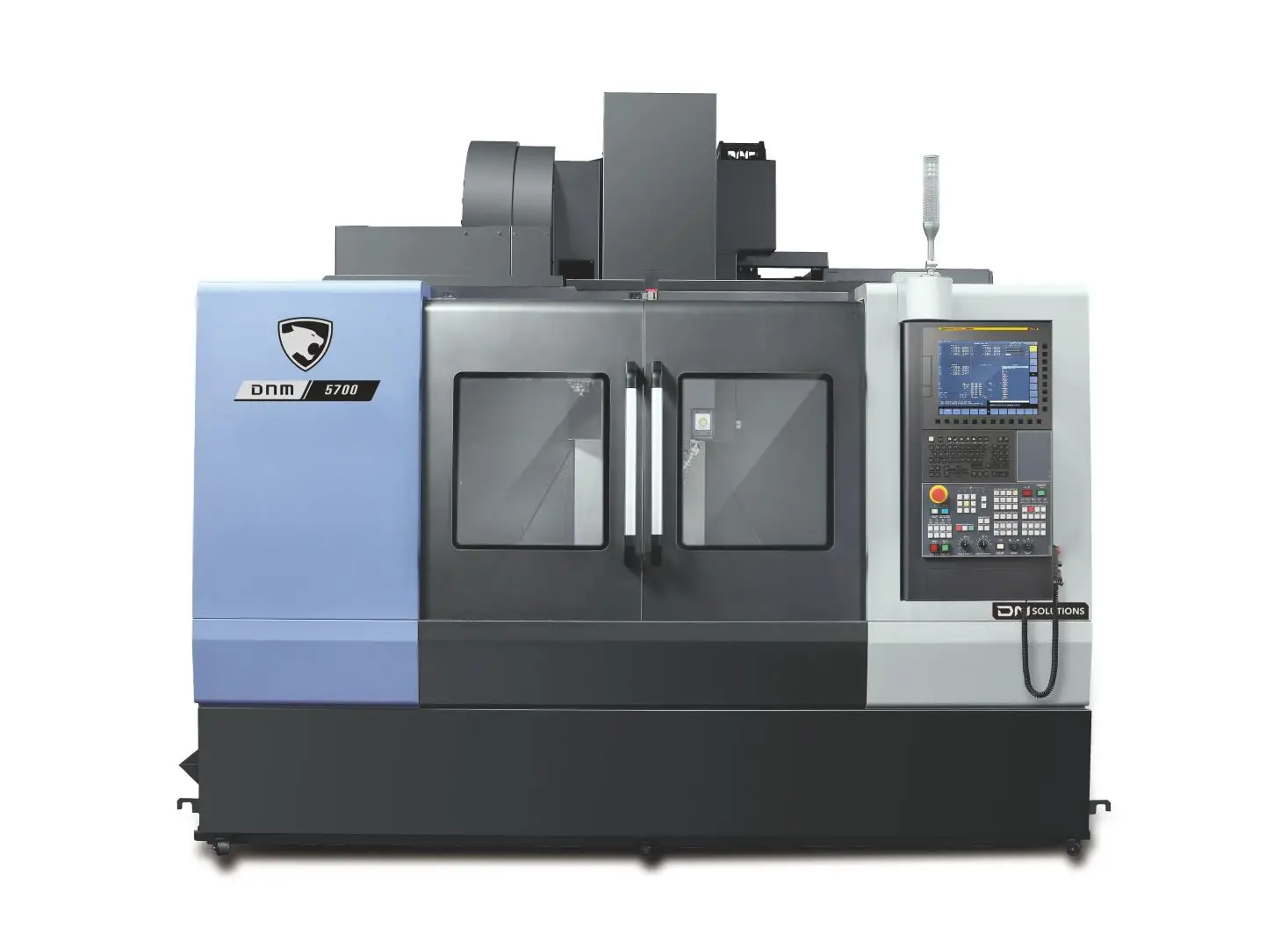
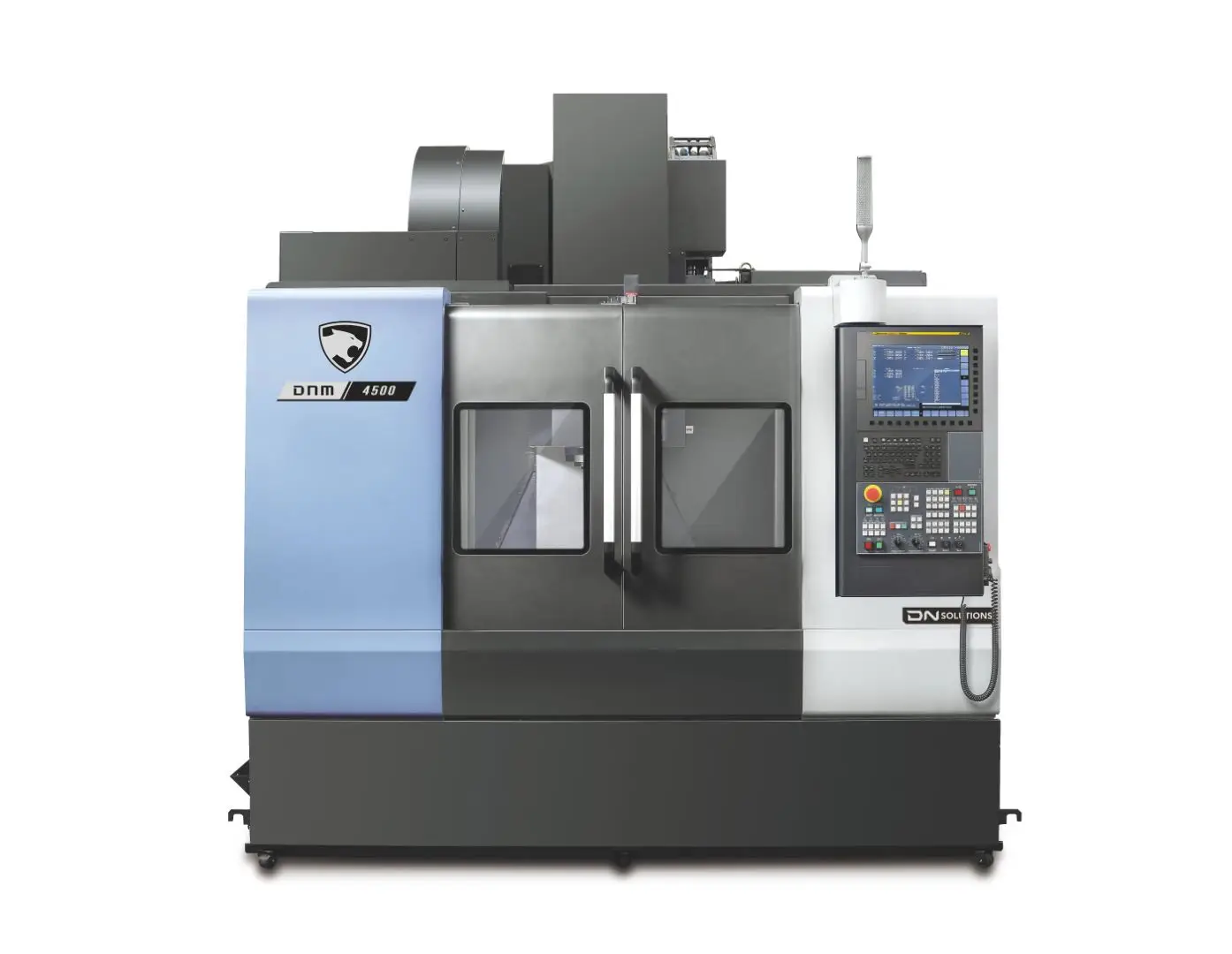
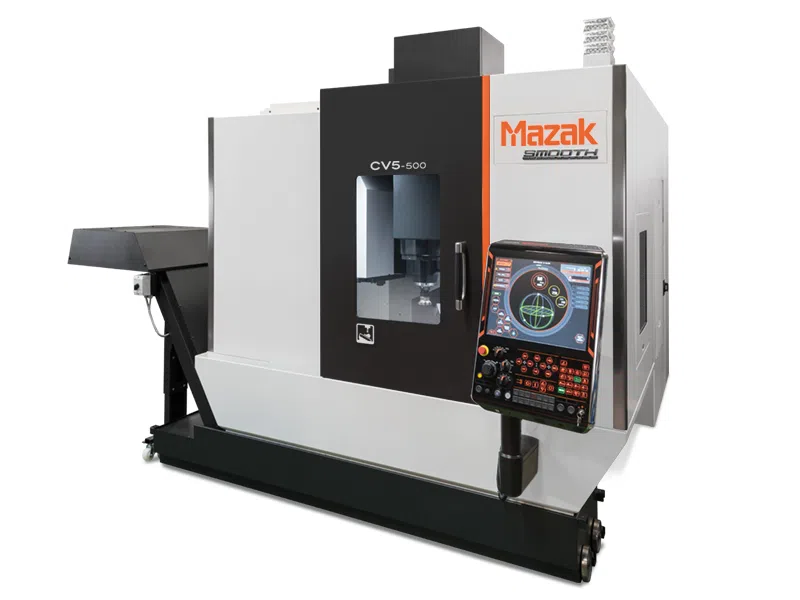
A CNC milling machine operates based on a computer program that precisely determines all tool movements, making the machining process exceptionally accurate. The entire process begins with creating a design in CAD (Computer-Aided Design) format, which is then converted into CNC instructions by CAM (Computer-Aided Manufacturing) software.
The machine, relying on this data, performs operations with the highest precision, allowing for perfect replication of the design. This approach ensures that CNC milling guarantees not only accuracy but also repeatability, even for the most complex geometries.
Factors Affecting the Quality of CNC Milling
To achieve the best results during CNC milling, several key factors must be considered:
Tool geometry – the appropriate selection of the cutter has a decisive impact on surface quality and dimensional accuracy.
Rotational speed – too high can cause tool overheating, while too low can reduce machining efficiency.
Workpiece material – different materials require adjustments to parameters such as feed rate or cutting depth.
CNC milling is a technology that is constantly evolving, introducing innovations that enable greater precision and efficiency in machining. Thanks to technological advancements, CNC milling machines are becoming more advanced, allowing for the realization of even the most complex projects. Moreover, its importance in the industry will grow as the demand for complex and custom components continues to increase. This is especially true for sectors such as automotive, aerospace, and medicine.