What is Machining?
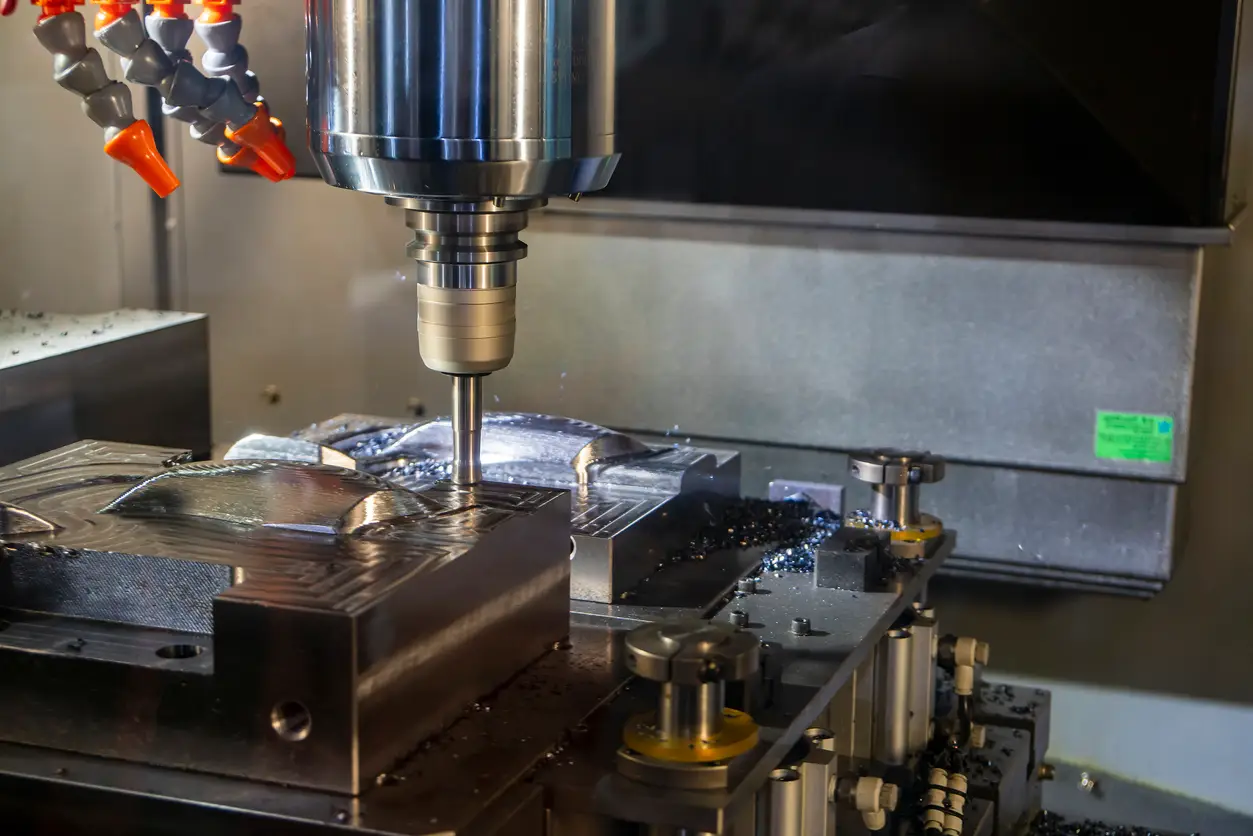
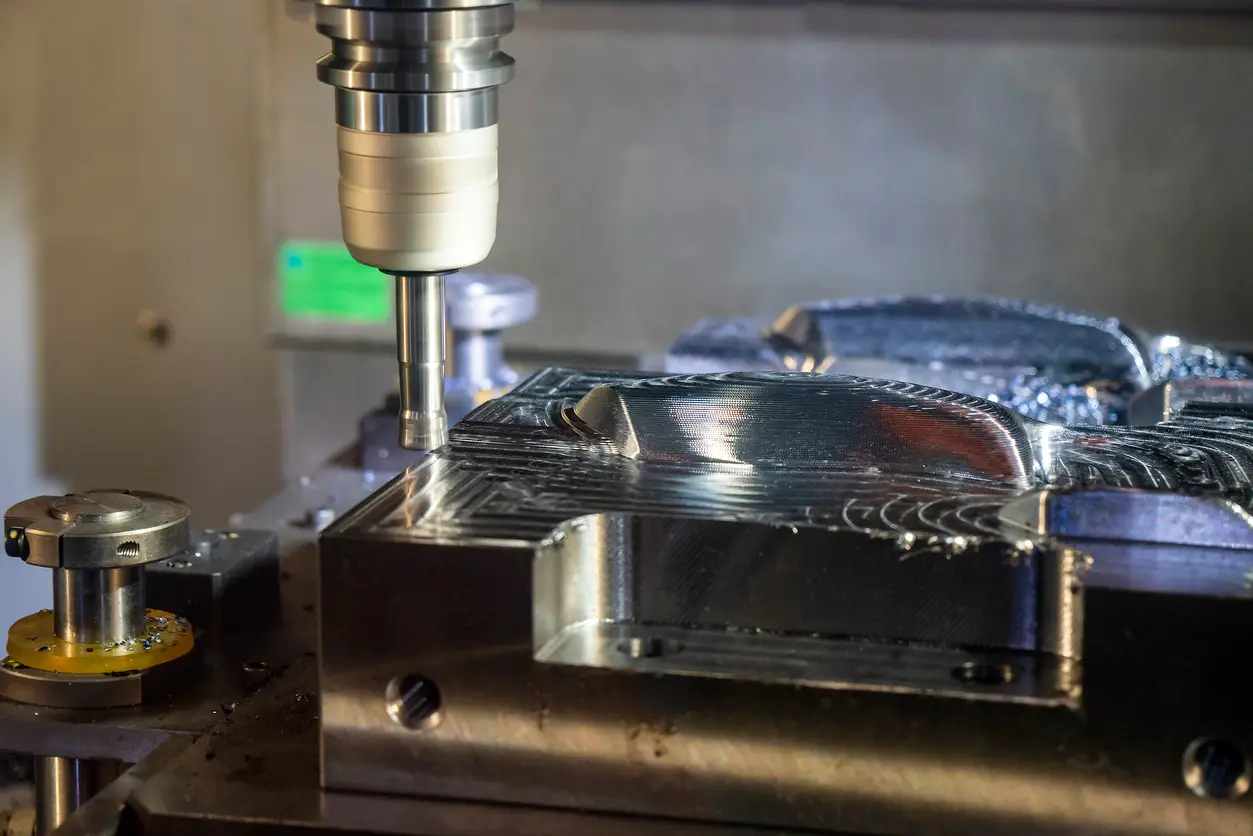
Machining involves the mechanical removal of excess material to achieve the desired shape and dimensions of a given element. This process uses specialized cutting tools that precisely cut the surface of the workpiece. As a result, this method allows for high accuracy and perfect surface finish.
This is extremely important in the production of critical parts, such as machine components, vehicle elements, or medical devices. Moreover, machining is distinguished by its versatility, allowing work with various materials – from metals, through plastics, to composites.
The Importance of History in the Development of Machining
From the earliest times, when people used simple tools to work wood or stone, to modern advanced CNC technologies – machining has constantly evolved. With the industrial revolution in the 18th century, the first mechanical lathes appeared, which not only significantly improved the production process but also contributed to the development of mass production and standardization of mechanical components.
Over the following decades, improvements were introduced, such as milling machines and automatic drills. Today, computer-controlled machines (CNC) not only allow for the realization of extremely complex projects but also ensure the highest precision, making them indispensable in modern industrial production.
Basic Machining Processes
Each machining process can be tailored to the specific needs of a given project, making this technology extremely versatile. Among the most popular methods are:
Turning, which is excellent for creating cylindrical-shaped elements, as it allows for precise shaping of cylindrical surfaces.
Milling, ideal for machining flat, curved, and complex details, making it widely used in the production of precision parts.
Drilling, used for precisely making holes of various sizes, allowing for their quick and accurate preparation for further operations.
Each of these methods requires the use of appropriate tools and carefully selected parameters, enabling the achievement of desired results while maintaining the highest quality.
Materials Used in Machining
The choice of material for machining depends on the specific requirements of the final product and working conditions. The most commonly used raw materials include:
Metals, such as stainless steel, aluminum, or brass, which are durable and resistant to external factors.
Plastics, e.g., polycarbonate or Teflon, characterized by lightness and chemical resistance.
Composites, which are a combination of several materials with exceptional properties, such as strength and low weight.
Proper matching of the material to the applied machining process plays a key role in achieving optimal results.
The Role of Tools in the Machining Process
The effectiveness of machining largely depends on the proper selection of cutting tools, as they directly affect the quality, precision, and efficiency of the entire process. Well-chosen tools not only allow for achieving desired results but also extend their durability and reduce production costs. They are made from materials with high hardness and wear resistance, such as carbide, tool steel, or ceramics.
The geometry of the tool, its rake angle, and the material of the blade have a direct impact on the quality of the work performed, as they determine how the tool interacts with the machined material. Appropriate parameters not only improve precision and surface smoothness but also minimize the risk of tool damage and extend its lifespan. Moreover, in the machining process, it is essential to use coolants that limit the heating of tools and materials, thereby extending their durability.