CNC Turning: Modern Precision Machining Technology


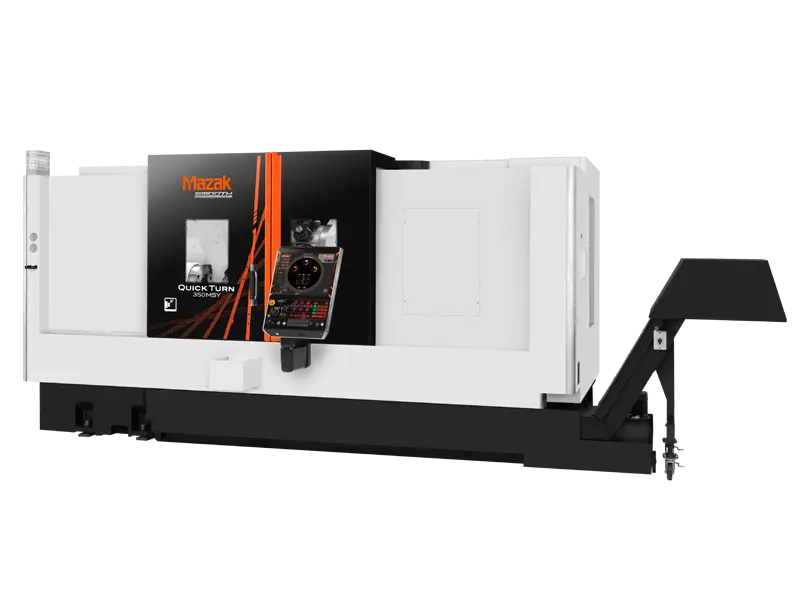
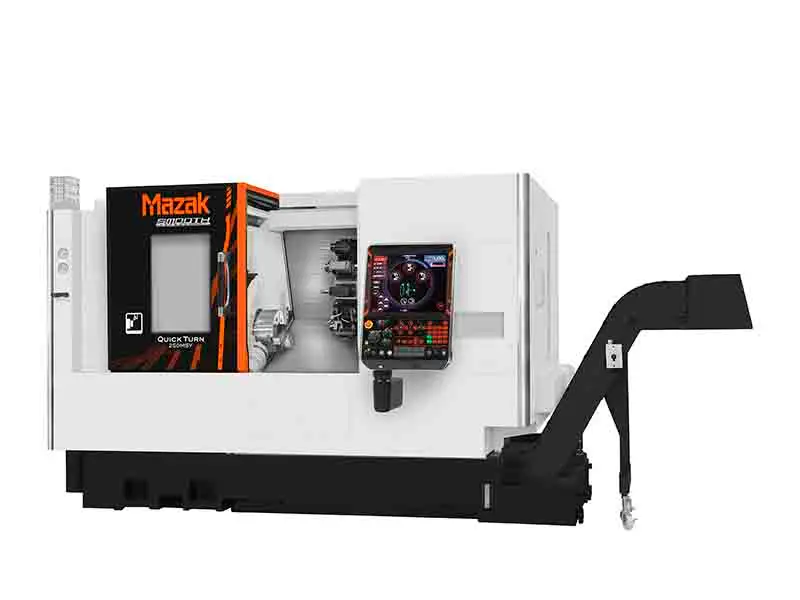
CNC turning is one of the key machining technologies used in the production of cylindrical-shaped components. Thanks to computer control, the CNC turning process is characterized not only by high precision but also by excellent repeatability, making it indispensable in modern industry. We work on MAZAK lathes.

QTS250ML
Technical Data:
QTS250ML

Spindle size 10′

Maximum clearance 830mm

Maximum machined diameter 420mm

Max. spindle speed 4000r/min

Max. spindle power 26kW

QTS200ML
Technical Data:
QTS200ML

Spindle size 8′

Maximum clearance 695mm

Maximum machined diameter 380mm

Max. spindle speed 5000r/min

Max. spindle power 26kW

What is CNC Turning?


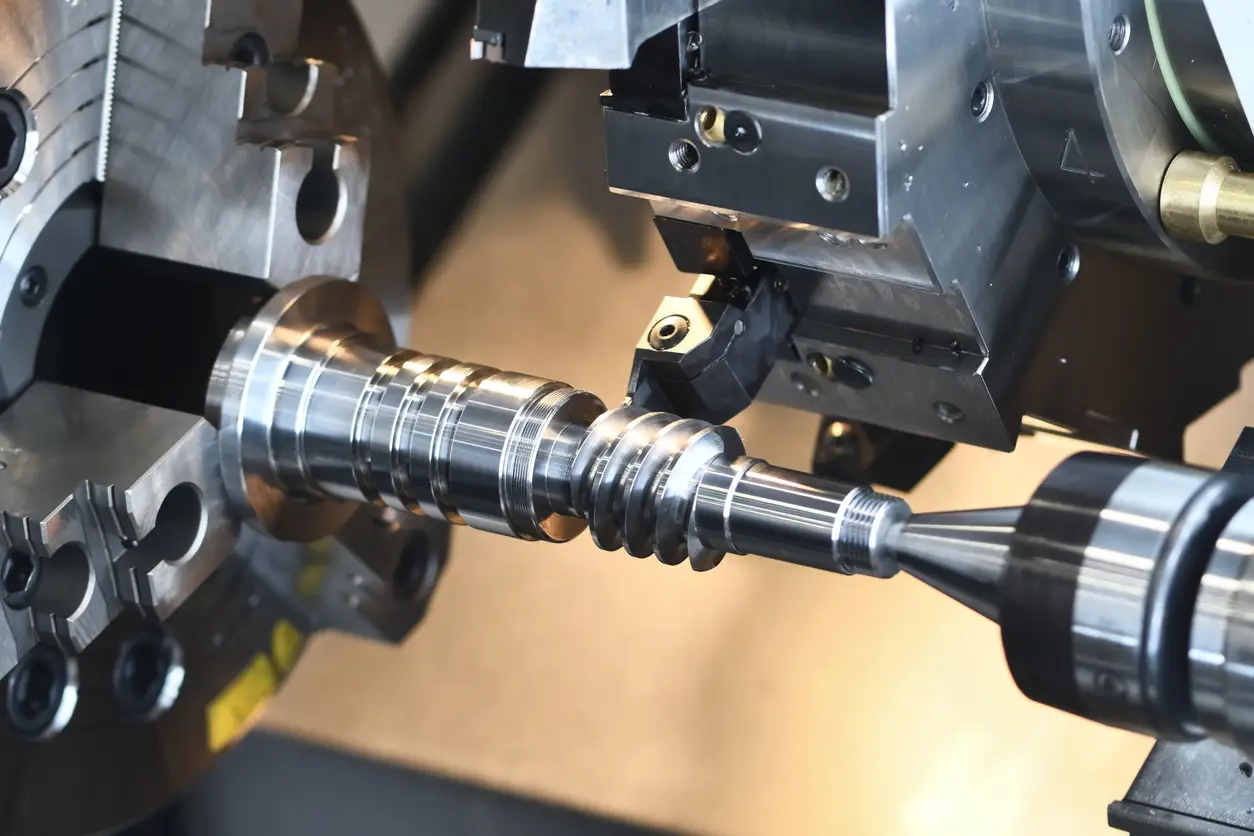
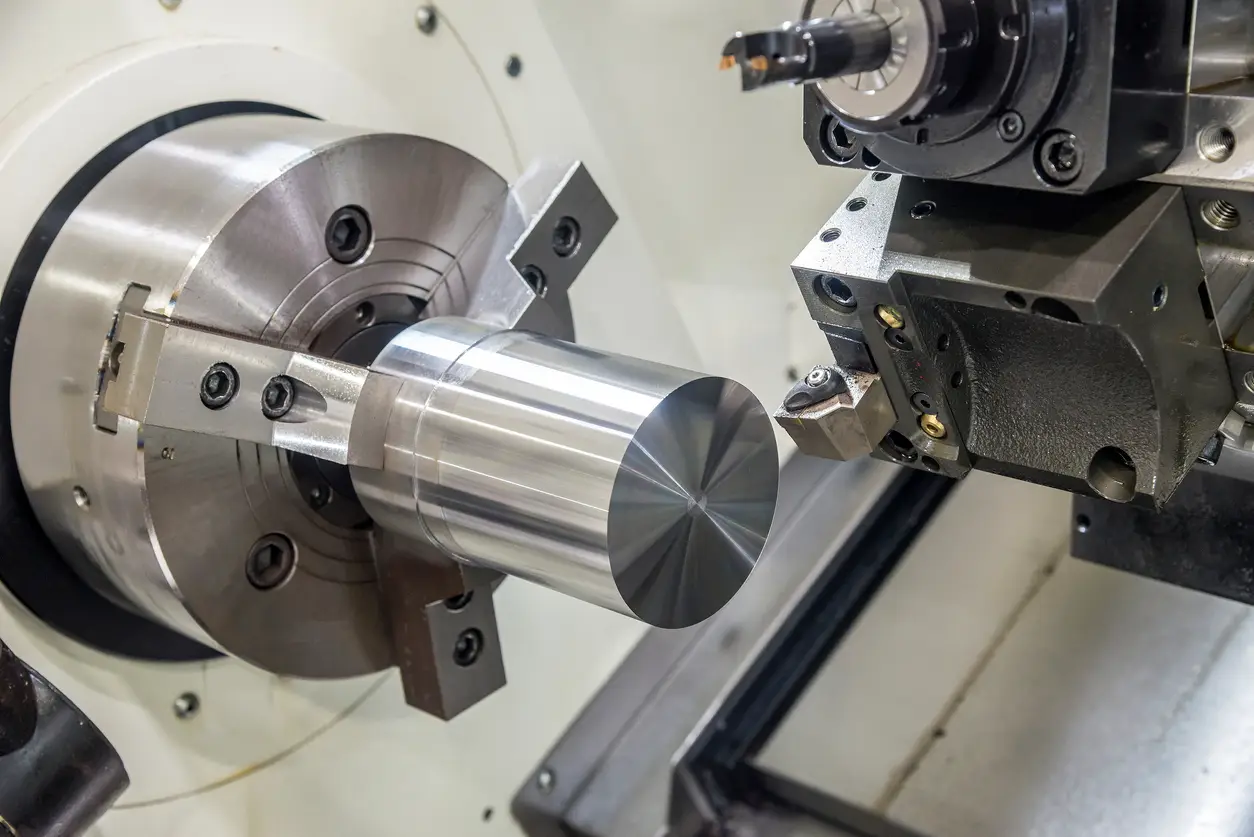
CNC Turning (Computer Numerical Control) is a process in which excess material is precisely removed from a workpiece using a lathe tool. The workpiece continuously rotates on the spindle while the cutting tool performs programmed linear or curvilinear movements, creating the desired shape. Moreover, the process is fully controlled by a computer, allowing for precise dimensions and complex shapes to be achieved simultaneously.


History of CNC Turning


The development of turning technology dates back to ancient times when people used primitive hand-driven lathes. With the industrial revolution, mechanical machines emerged, significantly improving the production process and accelerating industrial development. However, the real breakthrough came with the introduction of numerically controlled lathes in the 1950s, which revolutionized machining. Today, CNC turning is a standard in many industries because modern lathes offer unmatched precision and high functionality.


How Does CNC Turning Work?


CNC turning is a machining process that consists of several key stages:

  1. Design – a model is created in a CAD system, which is then converted into machine code (G-code) responsible for controlling the lathe.

  2. Workpiece Setup – the material is precisely mounted on the lathe spindle, ensuring stability during the machining process.

  3. Machining – the lathe tool performs programmed movements, removing excess material and giving the workpiece the desired shape.

  4. Quality Control – the finished element is thoroughly checked for compliance with the design to ensure all technical requirements are met.

Each of these stages is precisely monitored, minimizing the risk of errors and ensuring the highest quality of finished parts.

Advantages of CNC Turning


CNC turning offers a range of benefits compared to traditional machining methods, making it an indispensable technology:

Precision – computer control not only eliminates human errors but also allows for micron-level accuracy.

Repeatability – the technology ensures identical results in every production cycle, significantly enhancing the quality of mass production.

Versatility – CNC lathes enable the machining of various materials and the creation of complex shapes, making the technology applicable in many industries.

Speed – the process is much faster compared to manual methods, resulting in shorter order fulfillment times.


Types of CNC Turning


CNC turning is divided into several basic types, differing in application and machining direction:

  • External Turning – the process of machining the external surfaces of a workpiece, allowing for the formation of cylinders, shafts, or other simple shapes.

  • Internal Turning – involves creating holes and shaping the interior of components, enabling the creation of precise bushings or cavities.

  • Profile Turning – allows for the formation of more complex shapes, such as cones, grooves, or other non-standard details.

Each of these methods can be used depending on the specific project requirements and the shape of the workpiece.


Materials Used in CNC Turning


CNC turning allows for the machining of a wide range of materials, making this technology exceptionally versatile:

  • Metals – such as stainless steel, aluminum, and brass, which are durable and resistant to damage.

  • Plastics – e.g., Teflon or polycarbonate, which are characterized by lightness and chemical resistance.

  • Composites – modern combined materials, widely used in the aerospace and automotive industries.

The choice of the appropriate material always depends on the strength, aesthetic, and functional requirements of the finished product.