How reverse engineering saved a pharmaceutical production line from being scrapped.


Reverse engineering plays a crucial role in the industry, especially when it is necessary to recreate machine parts without technical documentation. In one of the pharmaceutical factories, we used modern technologies such as 3D scanning, 5-axis milling, and wire cutting to recreate 18 valve pumps. This allowed the factory to avoid shutting down a key device, which could have led to significant losses.


How does reverse engineering save machines?


Reverse engineering allows for the replication of worn machine parts, even if there is no technical documentation or the device manufacturer no longer exists, which often poses a challenge. In the pharmaceutical factory, the lack of spare parts for the production device could have led to the shutdown of the entire line and significant financial losses. Thanks to our services, we were able to precisely recreate all the necessary elements, ensuring continued production and effectively minimizing losses.


3D Scanning as the Foundation of the Process


How does 3D scanning support reverse engineering?


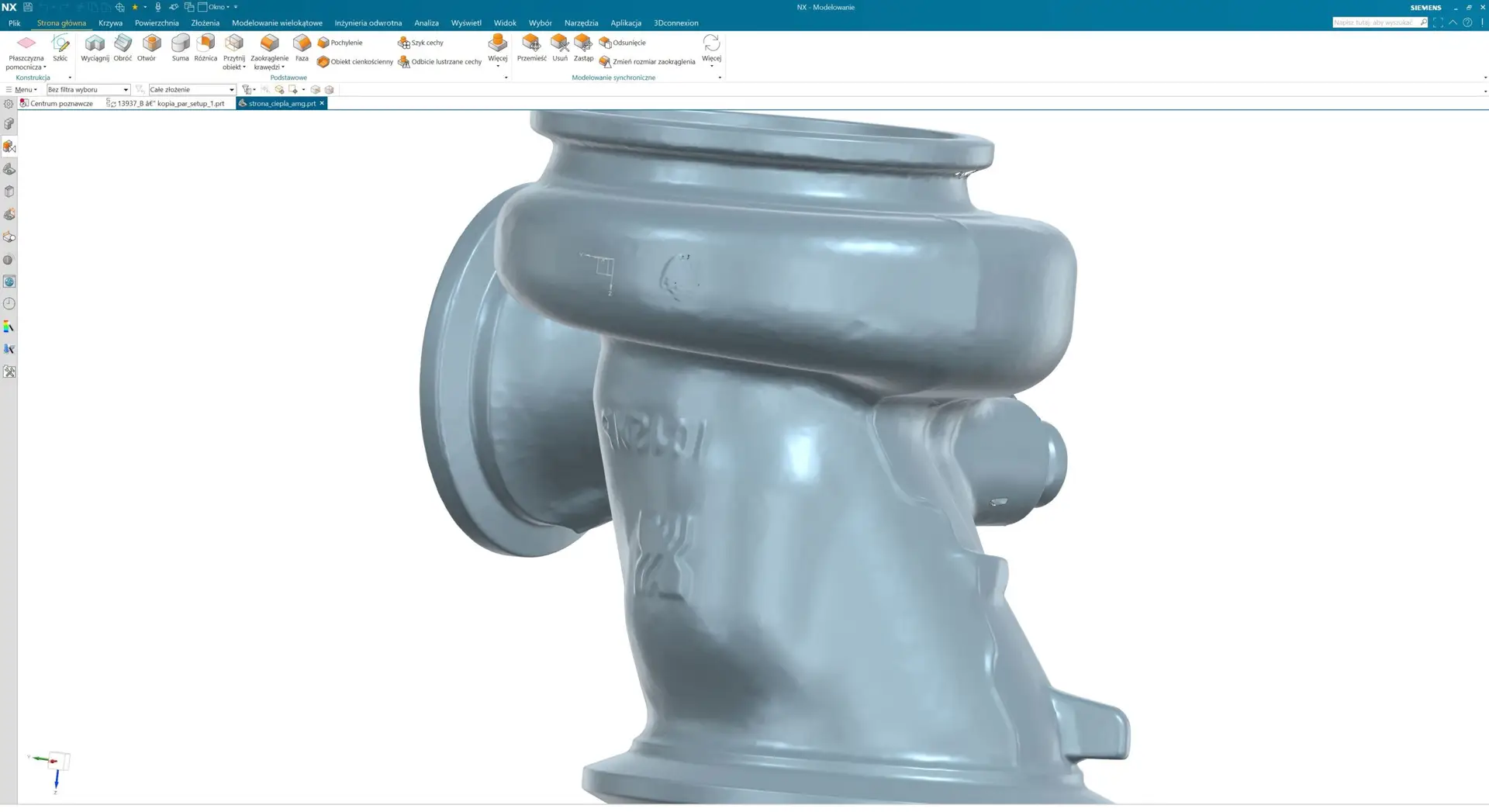
3D scanning allows for the precise digitization of machine parts, thus playing a key role in their accurate reproduction. In the case of valve pumps, we used a modern scanner that enabled the capture of the full geometry of the elements with exceptional precision, which formed the basis for further processing.
Stages of 3D Scanning:


  1. Element Preparation: All parts were thoroughly cleaned to prevent errors during scanning.

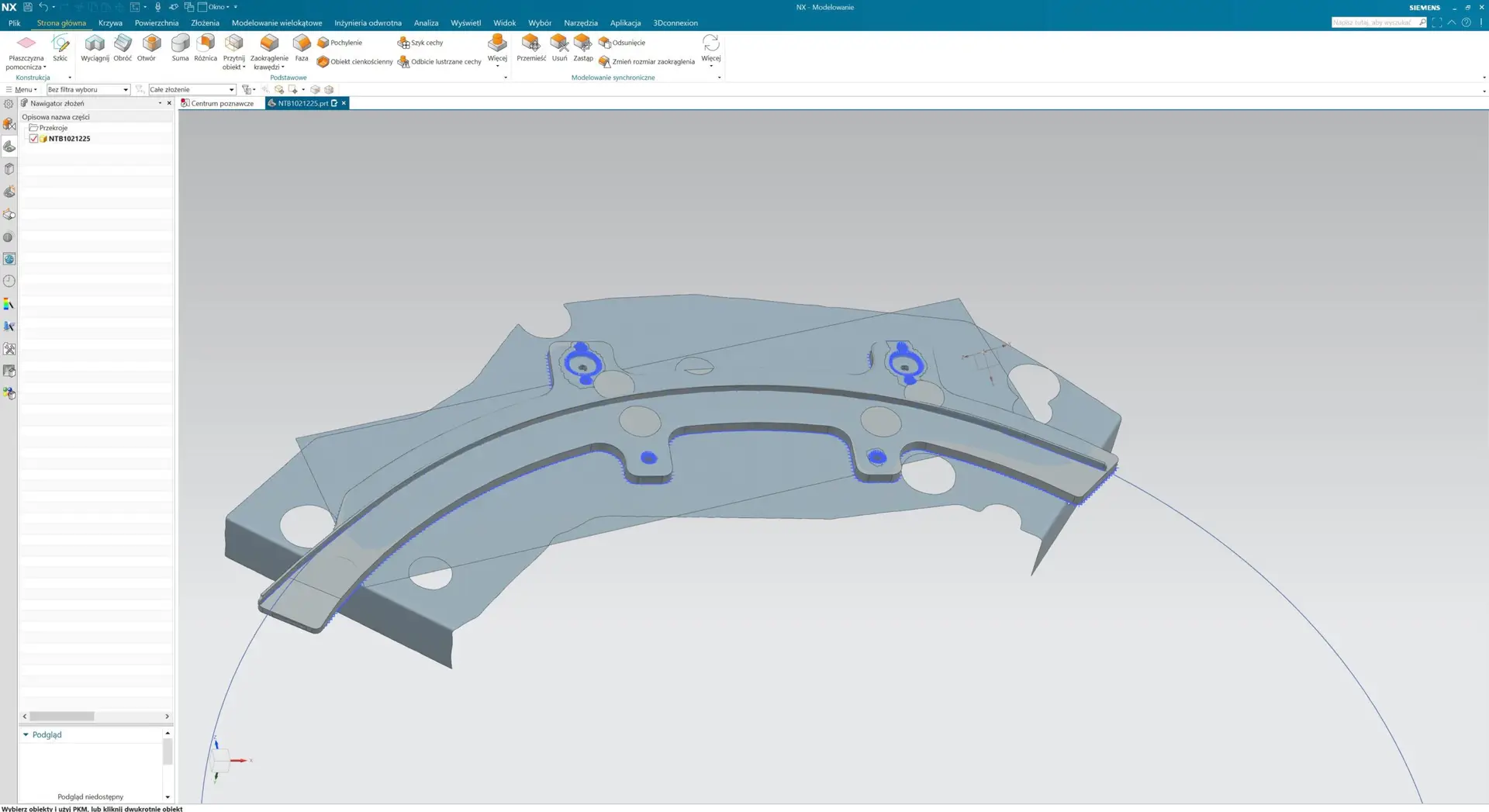
  2. Scanning: The scanner captured every detail of the geometry, allowing for the creation of precise 3D models.

  3. Data Processing: The 3D models were transformed into technical documentation, which served as the basis for further processing.

Thanks to 3D scanning, it was possible to accurately replicate elements that, due to their complex shapes, required special precision and accuracy in reproduction.


Advanced Processing Technologies in Reverse Engineering


Wire Cutting as a Key Stage


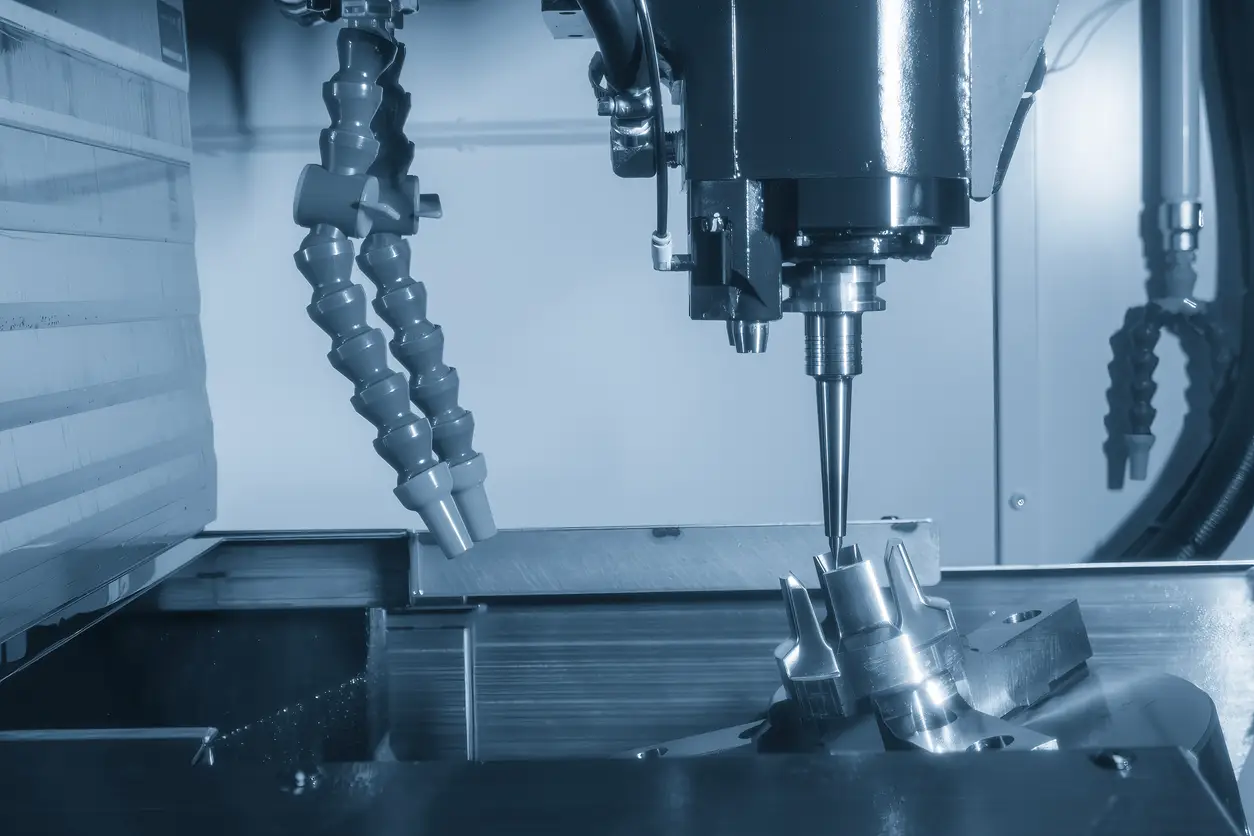
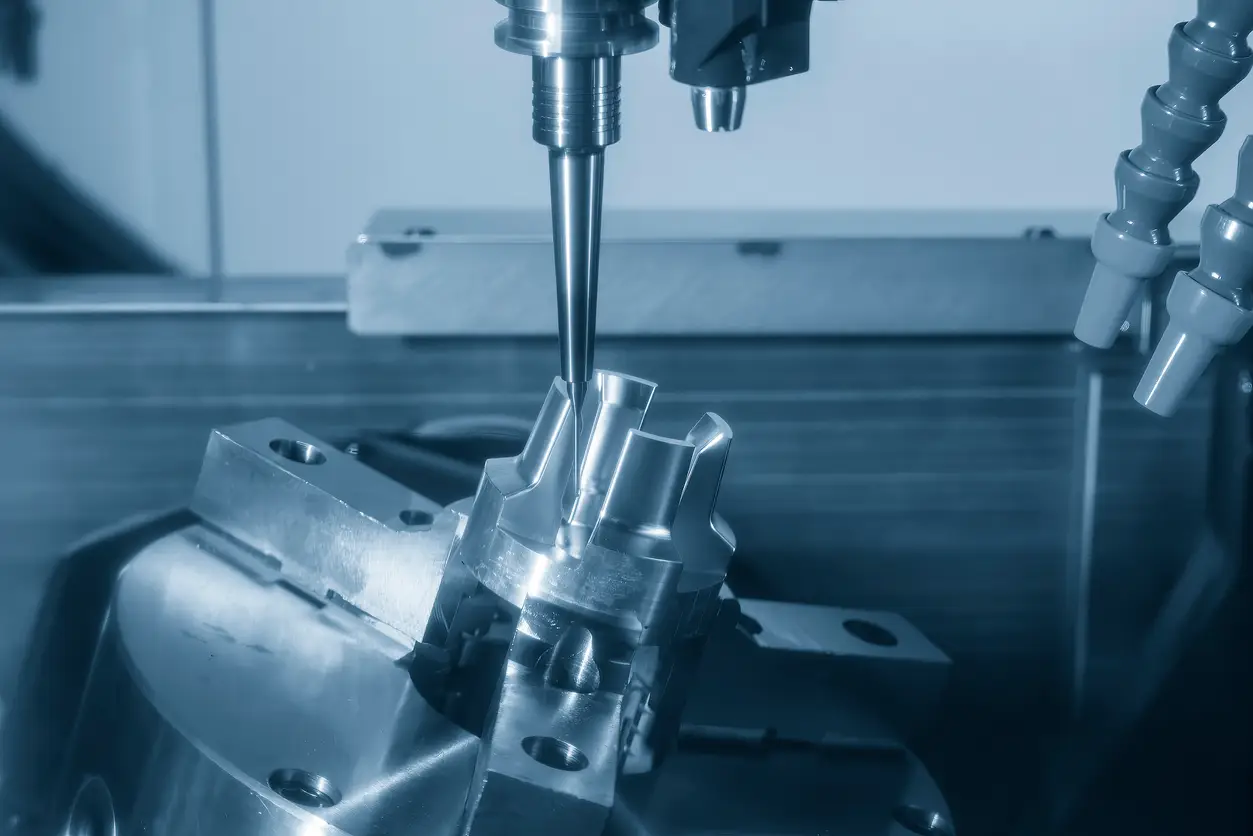
Wire cutting was a key stage in the process because it allowed for the creation of high-tolerance details, ensuring perfect replication of the elements. This method made it possible to precisely cut complex shapes that were necessary to recreate the valve pumps with full technical compliance.


5-Axis Milling for Irregular Shapes


In the most complex elements, we used 5-axis milling because it allows for surface processing in multiple planes simultaneously, which is extremely efficient. This technology enabled the replication of irregular shapes with an accuracy of up to 0.01 mm, which was crucial for ensuring the technical compliance of the elements. As a result, each recreated element was perfectly matched to the other parts of the machine, ensuring its efficient and precise operation.


Benefits of Reverse Engineering


  1. Recreation of Unavailable Parts: It was possible to recreate elements despite the lack of technical documentation and manufacturer.

  2. Minimization of Losses: The process was quick, preventing long production downtimes.

  3. Precision of Execution: Thanks to modern technologies, the parts met all technical requirements.

  4. Cost Optimization: Recreating the elements was significantly cheaper than purchasing a new machine.

  5. Documentation Creation: The factory received full documentation, enabling the recreation of parts in the future.


FAQ – Reverse Engineering


What is reverse engineering?


Reverse engineering is the process of replicating existing elements, which allows for the creation of technical documentation and their accurate reproduction.


What technologies support reverse engineering?


In reverse engineering, among others, 3D scanning is used to digitize parts, wire cutting for precise details, 5-axis milling for complex shapes, and CAD design to create technical models.


Does reverse engineering require technical documentation?


No, the process allows for the recreation of elements even when the original technical documentation is not available.


Why is it worth using reverse engineering?


Thanks to reverse engineering, it is possible to recreate unavailable machine parts, which helps minimize costs, eliminate downtimes, and extend the lifespan of devices.


Summary – Effects of Applying Reverse Engineering


Reverse engineering saved the production line in a pharmaceutical factory from complete shutdown because it allowed for the precise recreation of key elements. By using 3D scanning, wire cutting, and 5-axis milling, all necessary parts were recreated with the highest accuracy and full compatibility. This process not only minimized production losses but also ensured the continued and uninterrupted operation of the device on the production line.

We work with scanners from Scantech.