Advanced Welding Technologies – A Guide to Methods in ECAD


Modern Welding Methods – Choose the Best Technology

Welding is one of the most important technologies used in the industry for permanently joining metal elements and more. Depending on the needs, type of material, and project requirements, various welding technologies are available. In this article, we will discuss methods such as laser welding, TIG welding, MIG welding, MAG welding, and robotic welding, which are widely used in modern industrial production.

TIG Welding – Versatility and Quality


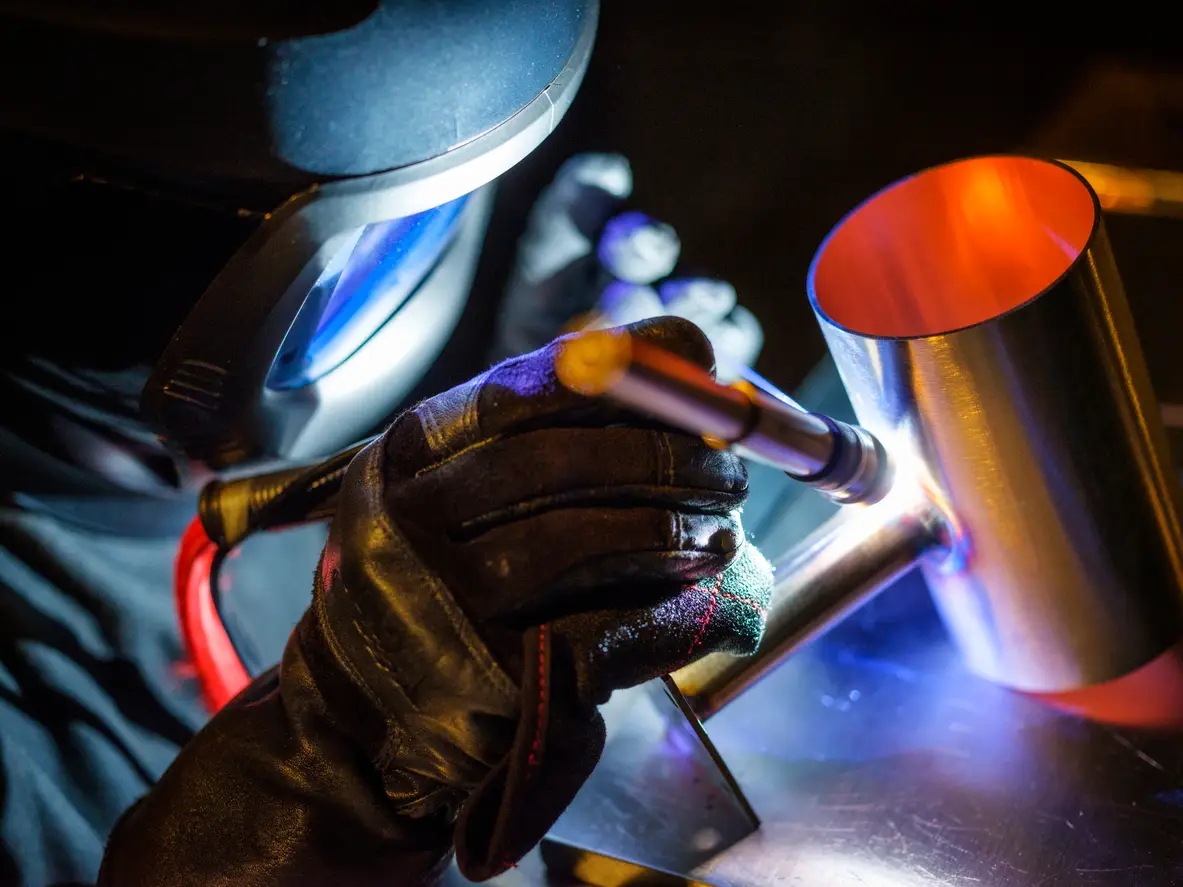
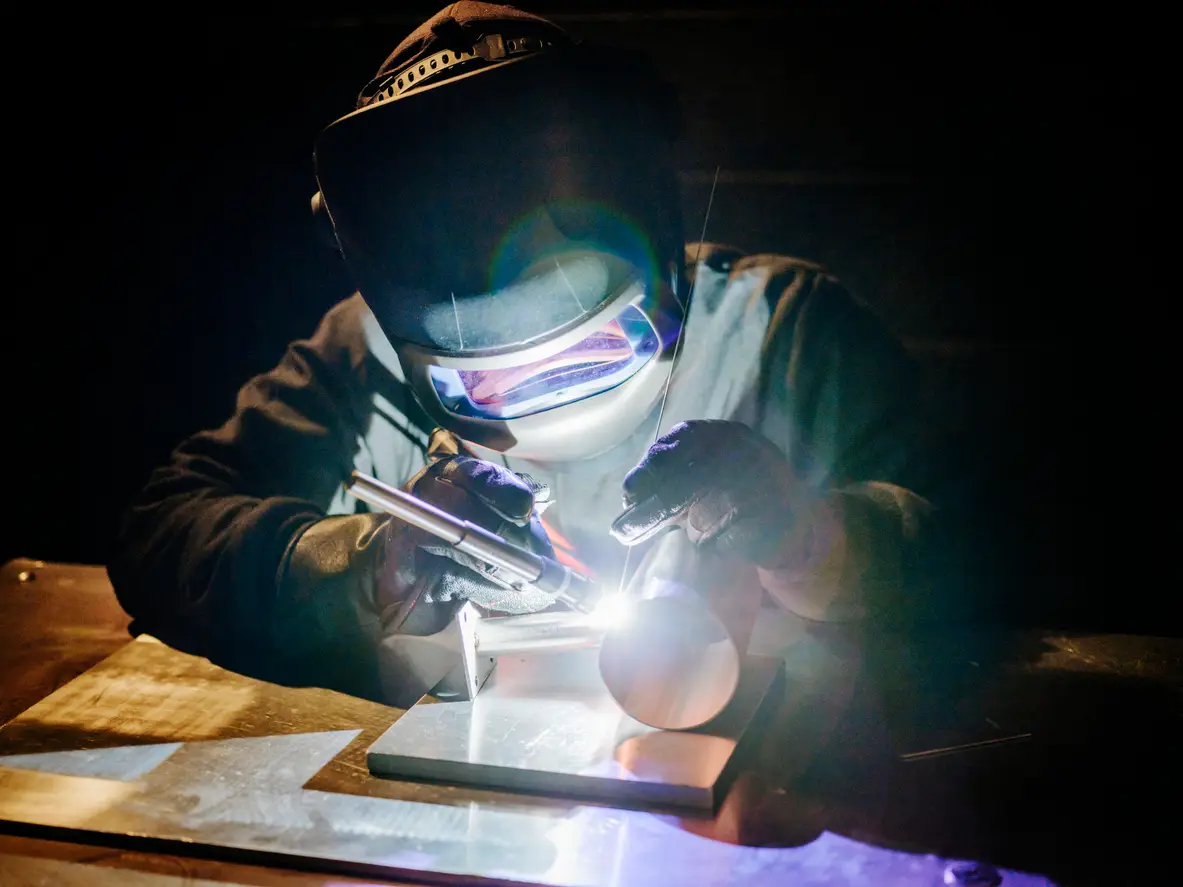
TIG welding (Tungsten Inert Gas) is one of the cleanest welding methods, where an electric arc is formed between a non-consumable tungsten electrode and the material.

Application: Processing stainless steel, aluminum, and other metals requiring high-quality welds.

Advantages:

  • Excellent weld quality.

  • Ability to weld thin materials.

  • Full control over the process.

This technique is often chosen in the food, medical, and aerospace industries, where clean and durable welds are required.

MIG and MAG Welding – Speed and Versatility


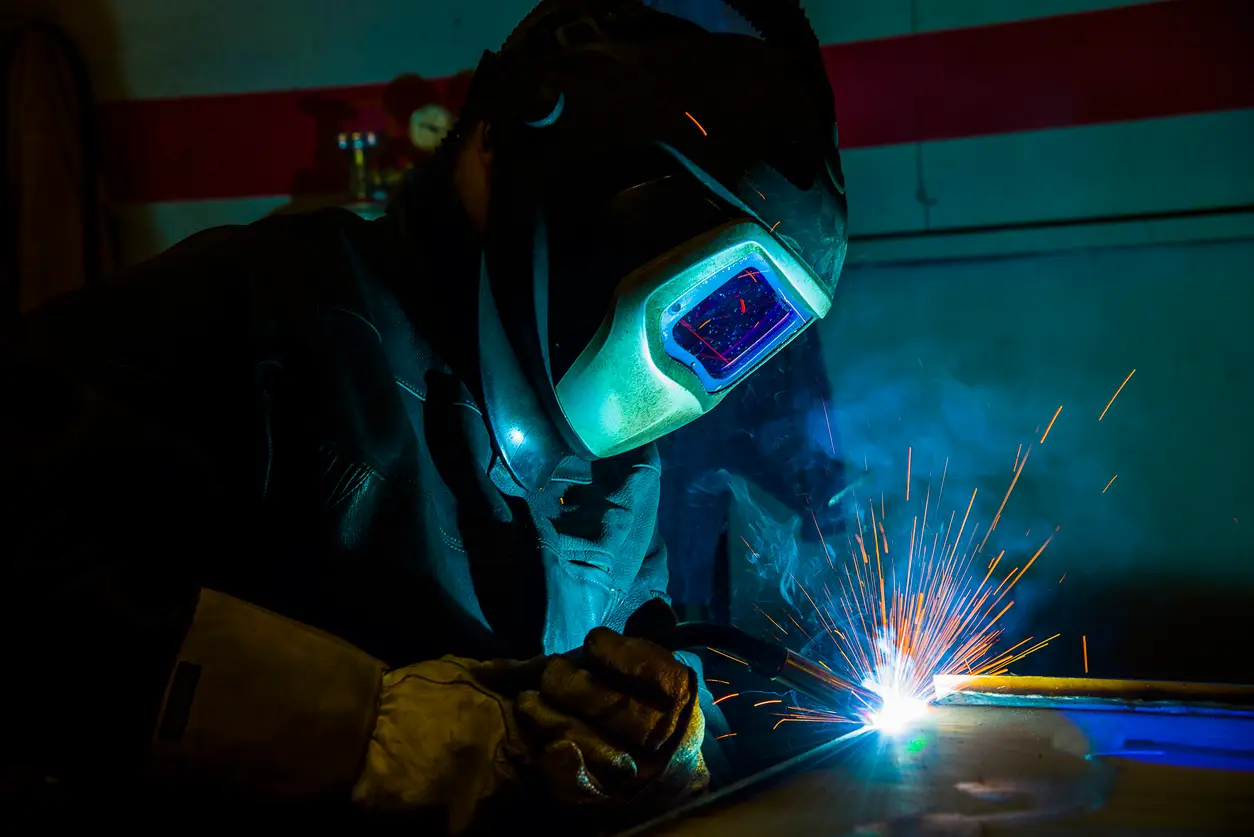
MIG (Metal Inert Gas) and MAG (Metal Active Gas) welding are popular methods where an electric arc is formed between the welding wire and the material, and a shielding gas prevents oxidation of the weld.

Application: Mass production, steel structures, machine parts, and industrial equipment.

Advantages:

  • High welding speed.

  • Possibility of process automation.

  • Versatility – welding different materials and thicknesses.

MIG welding uses an inert gas, ideal for non-ferrous metals, while MAG welding uses an active gas, which is effective for welding structural steel.


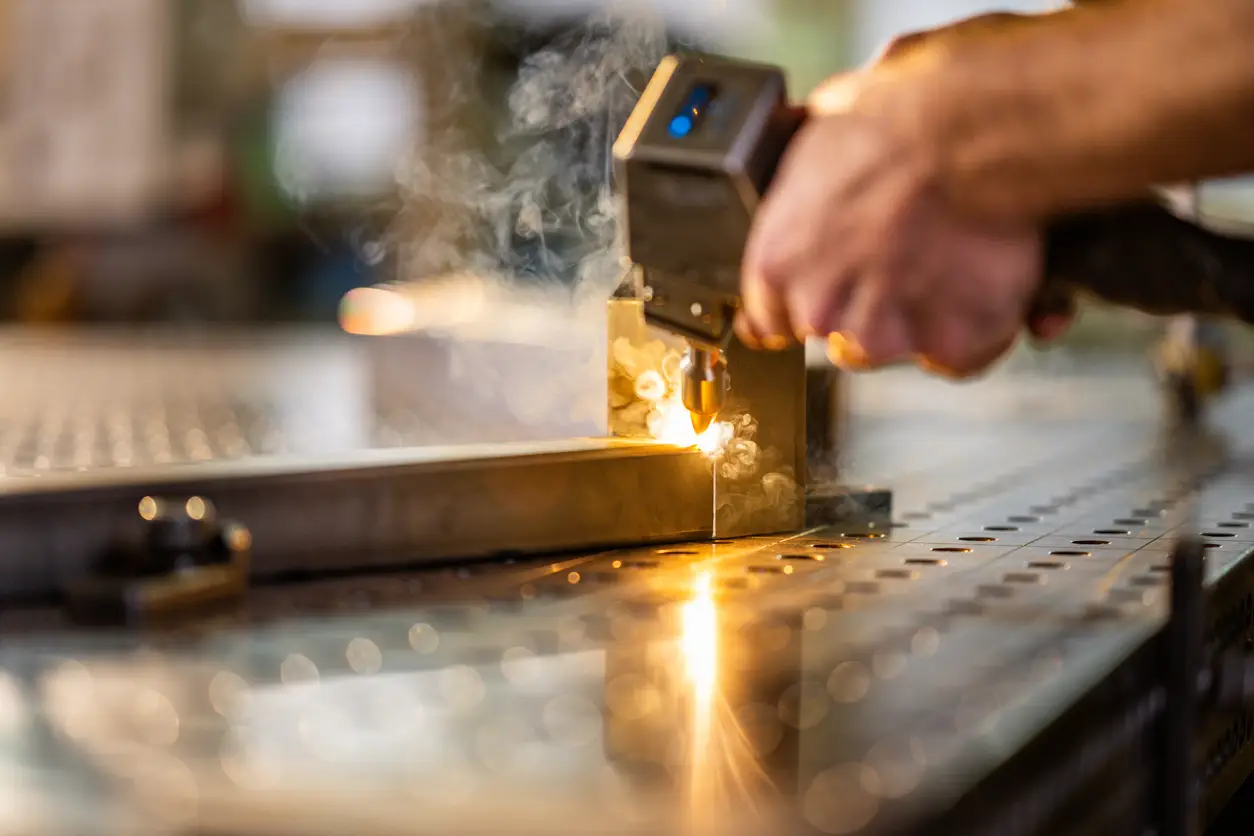
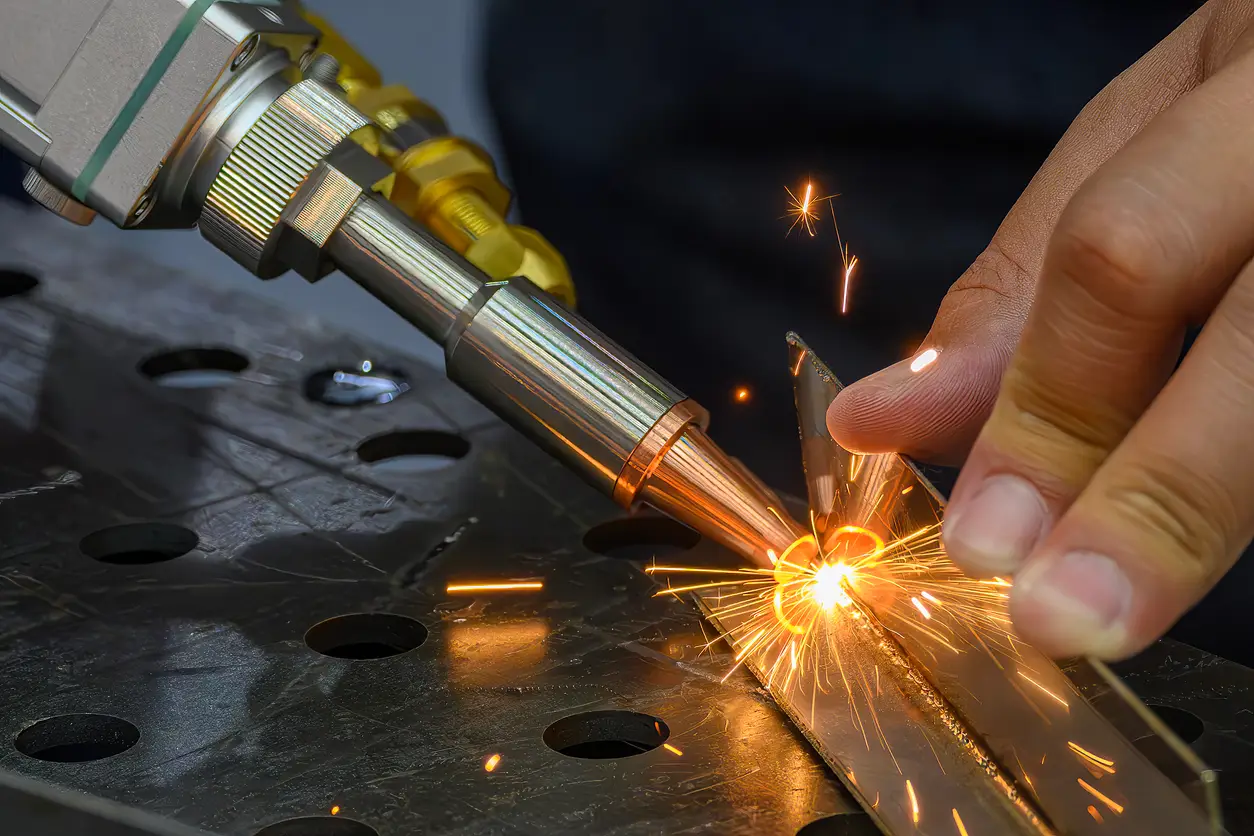
Laser welding is a technology where a focused laser beam allows metals to be joined with extraordinary precision and minimal impact on the surrounding material.

Application: Joining thin sheets, elements with high aesthetic requirements, and complex details in the aerospace or automotive industry.

Advantages:

  • Minimal thermal distortion.

  • High precision and aesthetics of the weld.

  • Speed and process automation.

Laser welding is used in projects that require exceptional accuracy and minimal material loss.

Robotic Welding – The Future of Production


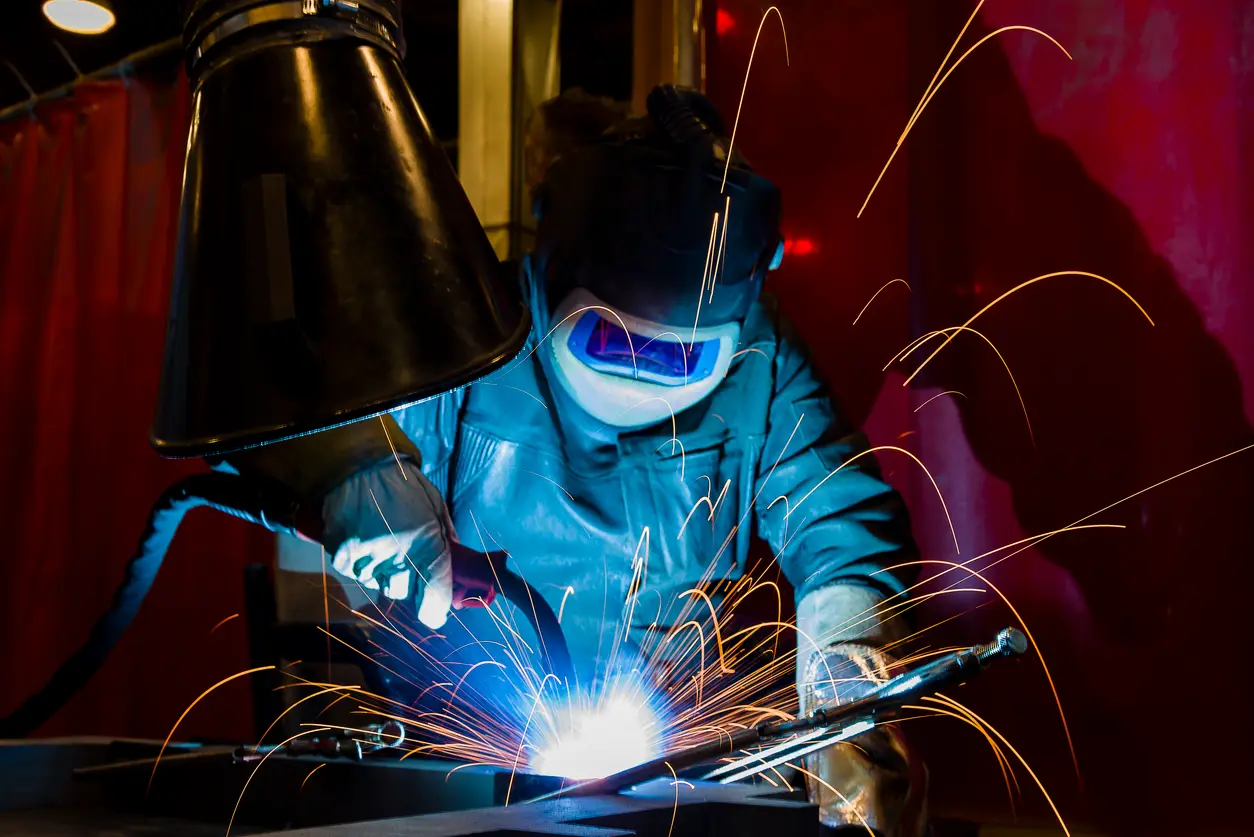
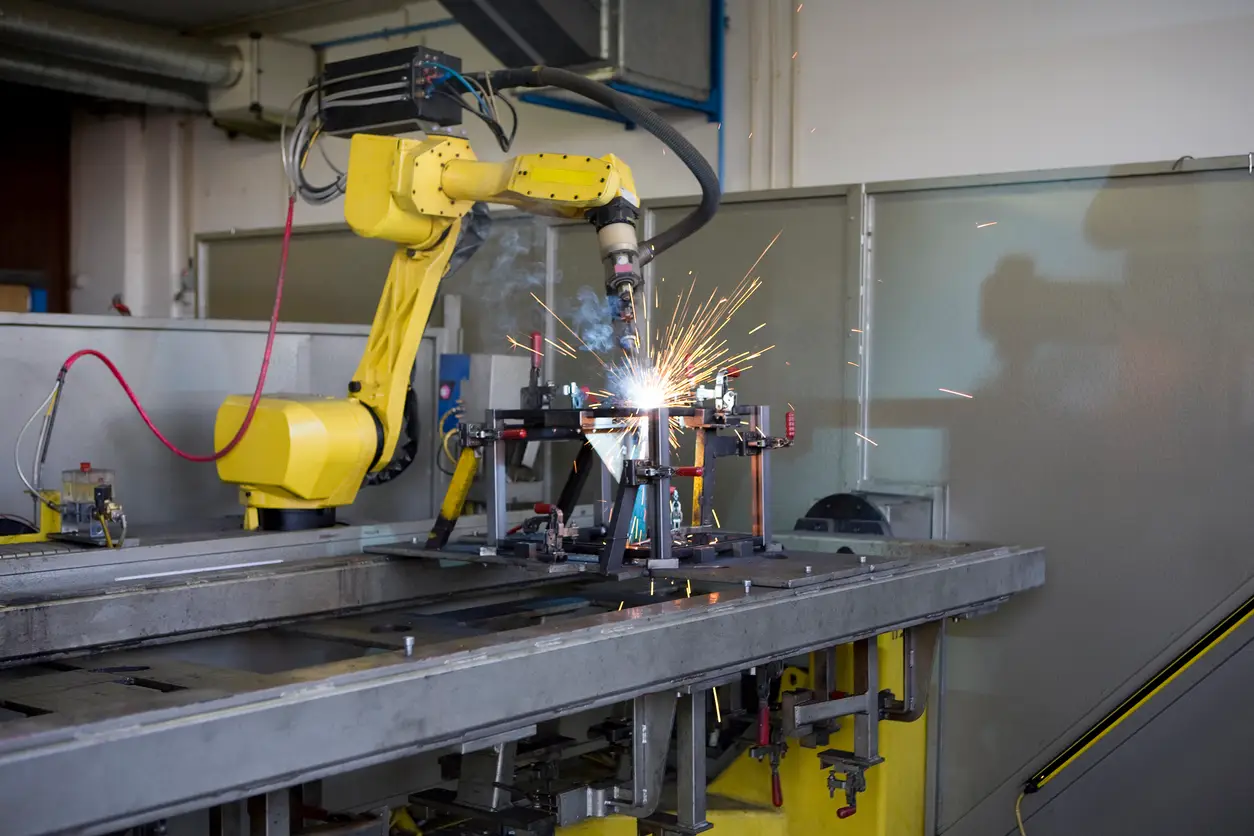
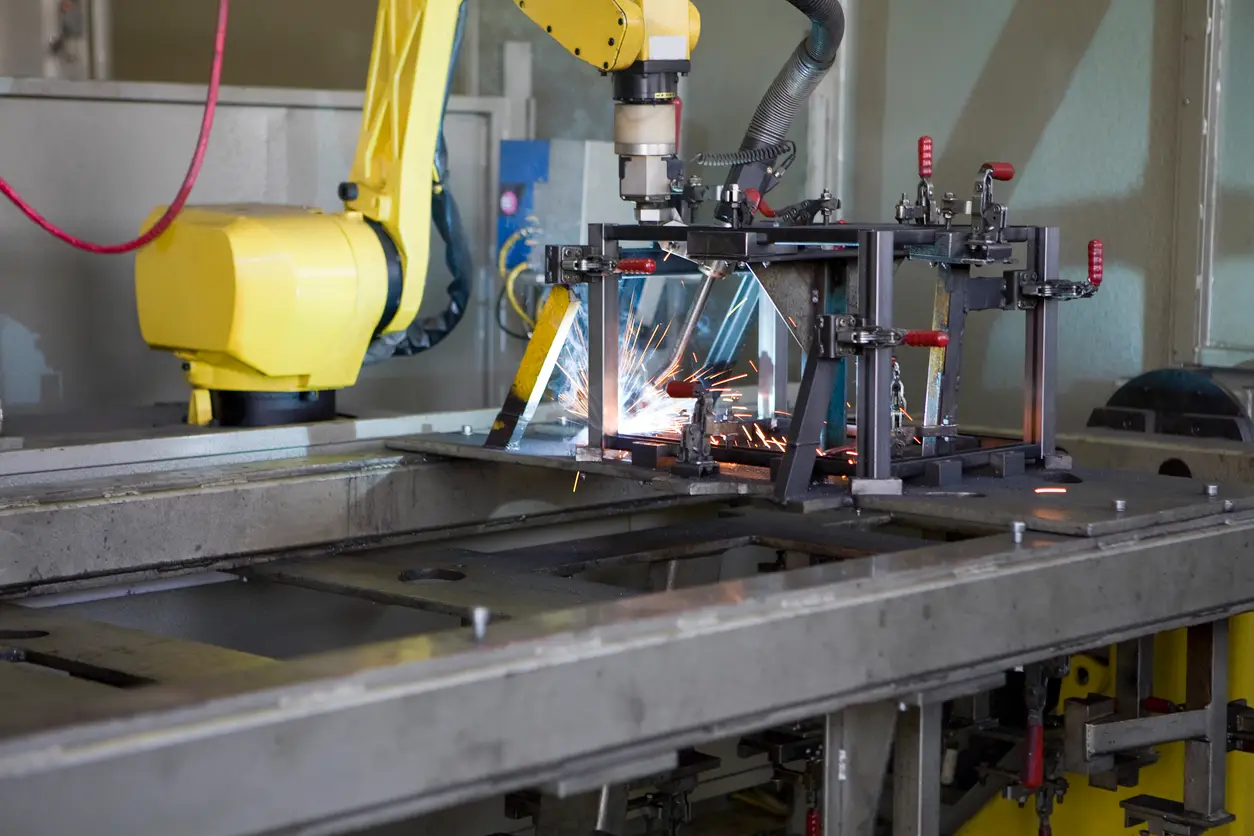
Robotic welding is a technology that combines advanced welding methods with automation, enabling fast and precise execution of large production series.

Application: Automotive, aerospace, machinery, and energy industries.

Advantages:

  • High efficiency and repeatability of the process.

  • Reduction of errors and operational costs.

  • Ability to work in challenging conditions.

Thanks to robotic welding, companies can increase their competitiveness by shortening lead times and minimizing the risk of defects.

Comparison of Welding Technologies


Laser welding is used for joining precise details and thin sheets. This method ensures minimal thermal distortion, and its greatest advantage is the exceptional aesthetics and precision of the weld.

TIG welding is an excellent choice for processing stainless steel and aluminum. Due to the cleanliness and full control of the process, durable, aesthetic connections are achieved, making this technique valued in industries requiring the highest quality.

MIG welding is perfect for mass production and working with non-ferrous metals. This method is characterized by high speed and ease of automation, allowing for efficient execution of large production series.

MAG welding is a versatile technology, ideal for joining structural steel, especially with large material thicknesses. This method combines efficiency with the ability to work in challenging industrial conditions.

Robotic welding is the future of the industry, especially in serial production. Process automation ensures repeatability, high efficiency, and precision, significantly increasing companies' competitiveness in the market.


Application of Modern Welding Technologies in Industry


Welding technologies such as laser welding, TIG welding, MIG, and MAG are applied in many industrial sectors:

  • Automotive: Joining body parts, exhaust systems, and load-bearing structures.

  • Aerospace: Precise joining of thin sheets and structural details.

  • Energy: Production of turbines, pressure vessels, and pipelines.

  • Construction: Steel structures, railings, and architectural elements.


Summary


Modern welding technologies, such as laser welding, TIG welding, MIG, MAG, and robotic welding, enable the execution of even the most demanding projects. The choice of the appropriate method depends on the nature of the material, project requirements, and production scale. Thanks to advanced welding processes, it is possible to achieve the highest quality, durability, and aesthetics of connections. Contact us to discuss how we can support your projects with our welding services!